

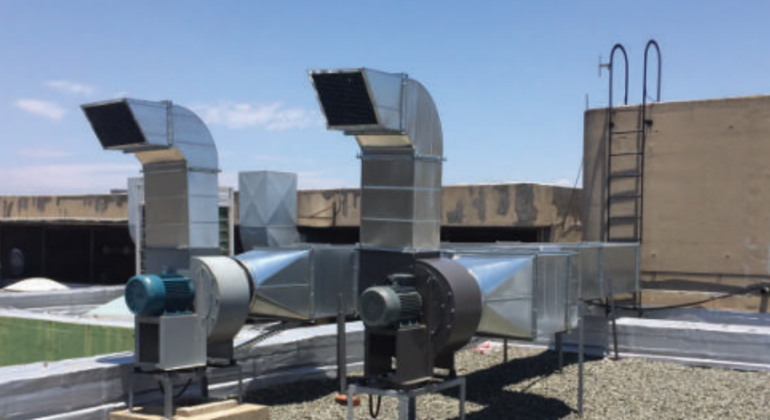
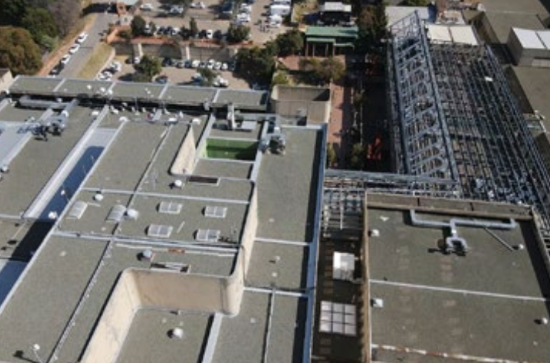
The Faculty of Health Sciences Building (Medical School) at the University of the Witwatersrand (WITS) in Johannesburg was built between 1978 and 1982, with most of the technical infrastructure installed during this period. Over the years, the infrastructure has aged and defects have begun to surface. The Heating, Ventilation, and Air Conditioning (HVAC) system in the Dissection Halls, which is dependent on the Medical School HVAC, was no longer providing sufficient cooling and extraction. As a result, there was a need to install a new HVAC system to ensure proper functioning.
With the existing equipment having reached its end-of-life cycle and the cost of maintaining technical assets increasing, it was determined that preventing equipment malfunction would result in significant capital cost savings for the University, while replacing the equipment would mitigate risks that negatively affect output and productivity. The contract included the decommissioning of the existing system, as well as the supply, installation, commissioning, handover, and a 12-month maintenance guarantee for the new system. The WITS University HVAC Refurbishments – Dissection Hall Project commenced on 24 November 2020 and was completed on 30 September 2021. An air-cooled chiller system was installed, along with fan coil indoor units connected to a fresh air unit to supply 100% fresh air into the space.
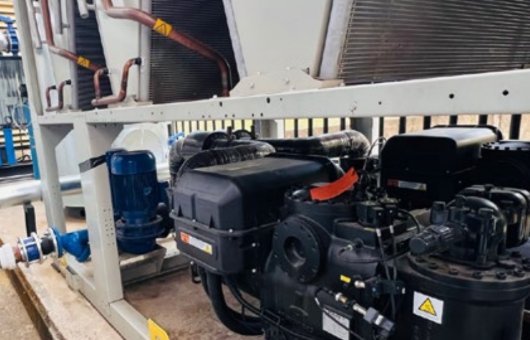
Each space is individually controlled using wall-mounted, hard-wired controllers and monitored by the Building Management System. All fixtures supplied with the fan coil units were fitted with appropriate drainage systems, which run along and through walls into the floor slab and discharge outside the building at a connection point to the main sewer line. The drainage system was coordinated with the project’s civil engineer.
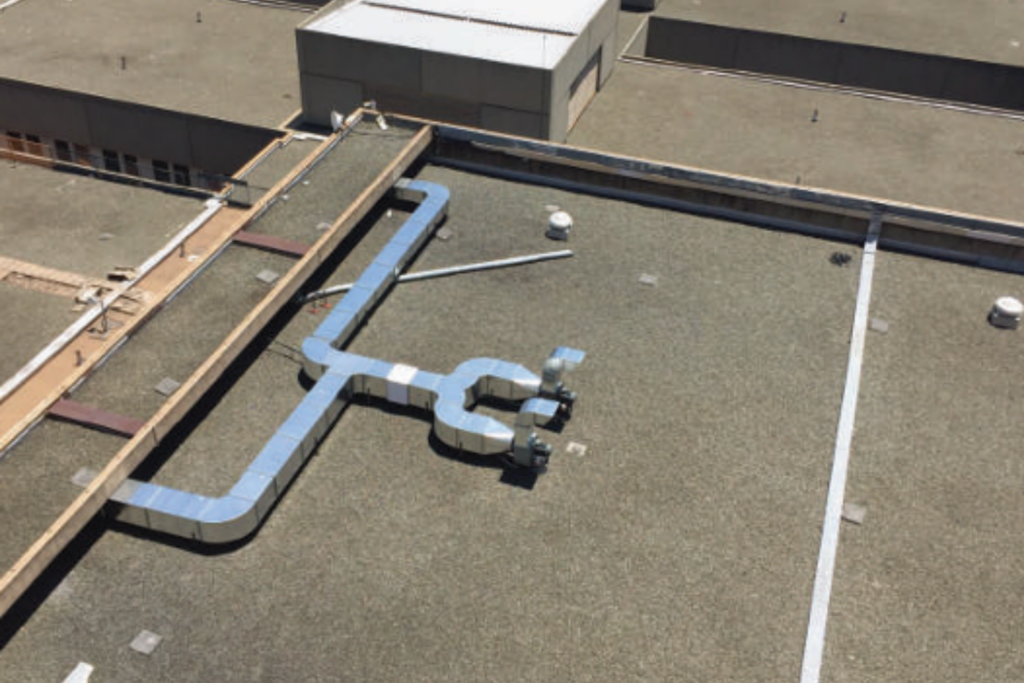
The extraction system is mechanically ventilated, with a central ducted exhaust system installed to achieve the required negative pressure. The design includes grilles connected to a ducting system, a specialized filtration system, and centrifugal fans that discharge air through grilles.
The exhaust air housings comprise a three-stage filtration system, with air exhausted at roof level from various exhaust duct risers. A pre-filter and secondary filter are used to protect the molecular filtration stage from blockage by particulate matter, while the third stage consists of carbon (molecular) filtration specifically designed to absorb formaldehyde fumes. The use of this filtration system to remove formaldehyde fumes improves working conditions and air quality in the Dissection Hall, making the project both unique and innovative.