

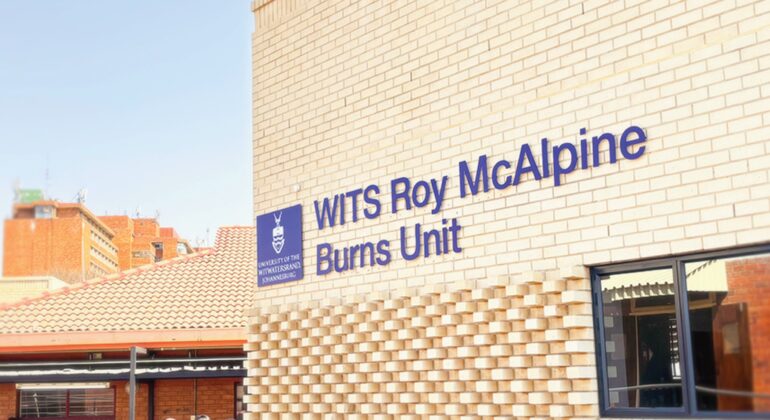
The Wits Roy McAlpine Adult Burns Unit stands as a premier initiative merging engineering prowess with social significance at one of Africa’s busiest hospitals, Chris Hani Baragwanath in Soweto. Conceived by Maninga Engineering, the unit fills a significant void in South Africa’s healthcare sector — dedicated care for adult burn survivors — by utilizing advanced mechanical technologies and a considerate, patient centred approach.
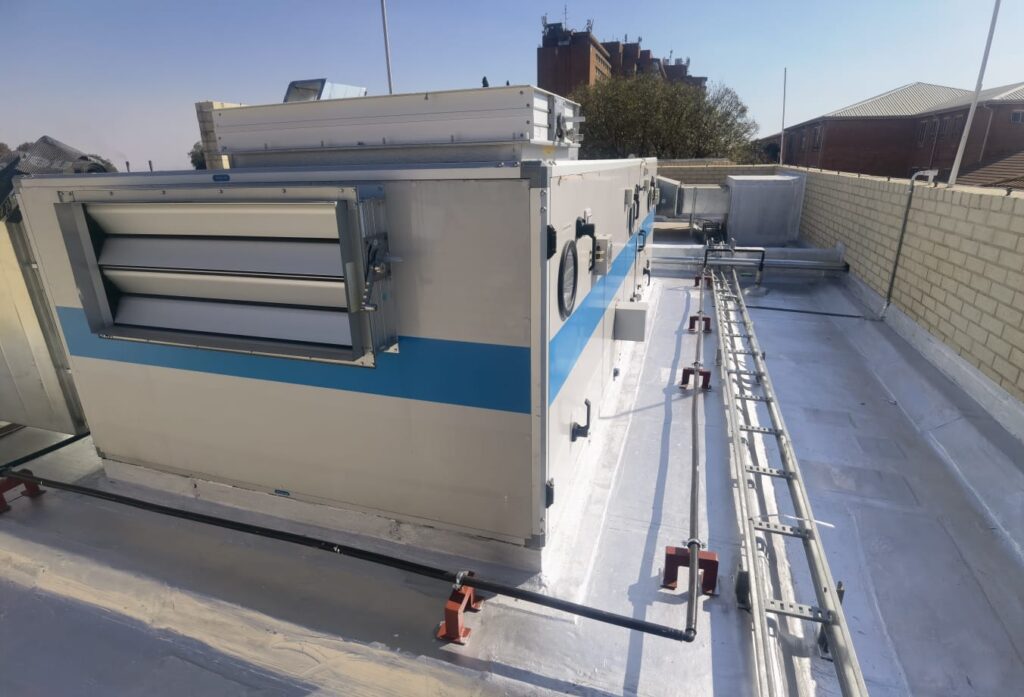
Notable advancements encompass South Africa’s initial steam-to-steam humidification system, sophisticated HVAC and medical gas frameworks, and modular mechanical systems that facilitated smooth construction within an operational hospital setting. The design incorporates sustainable strategies, such as repurposing existing steam systems and utilizing natural ventilation, which lowers long-term operational expenses and minimizes environmental impact.
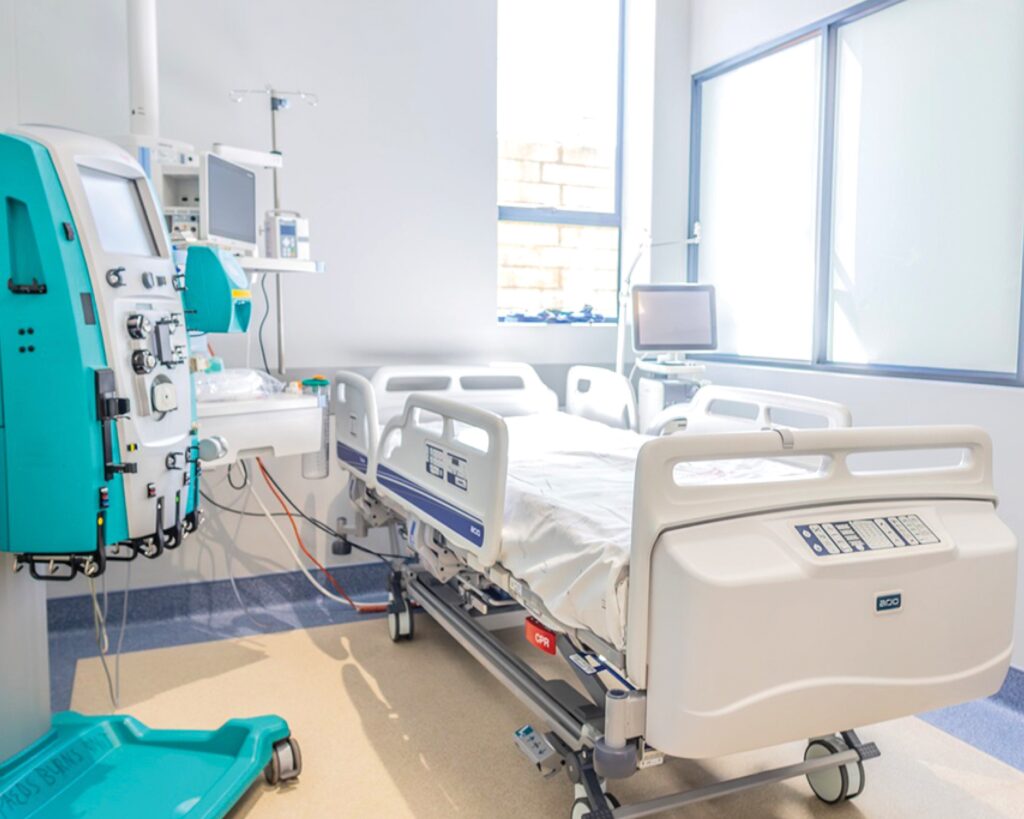
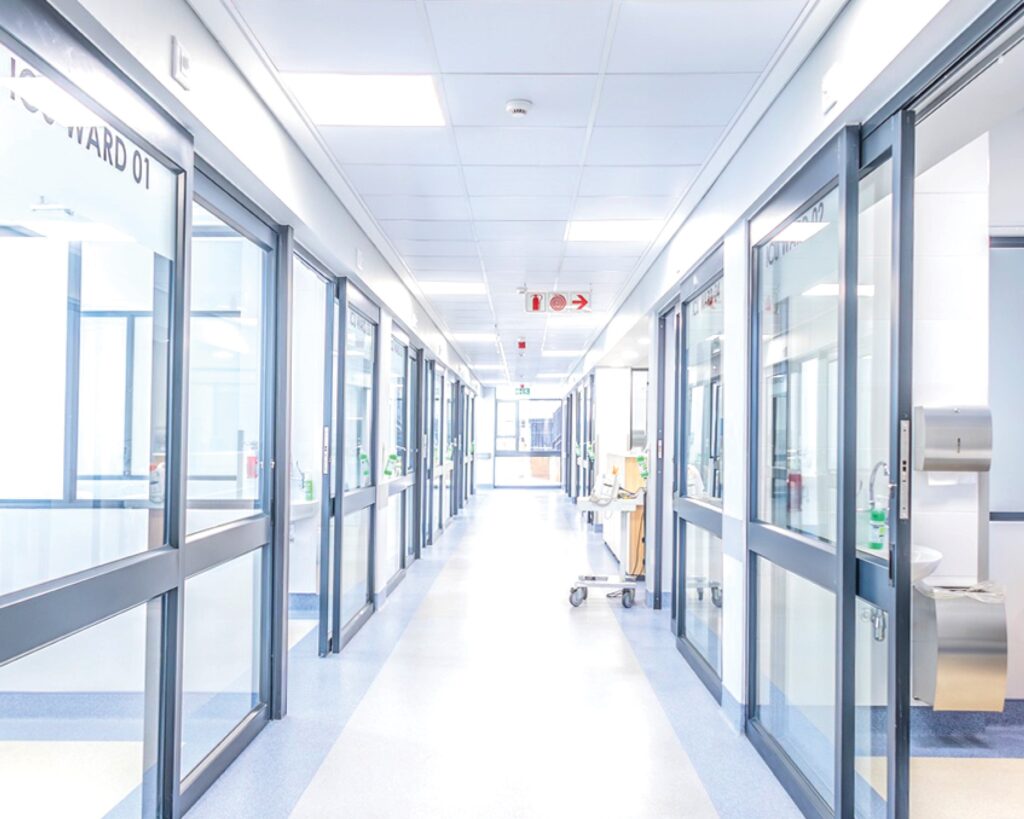
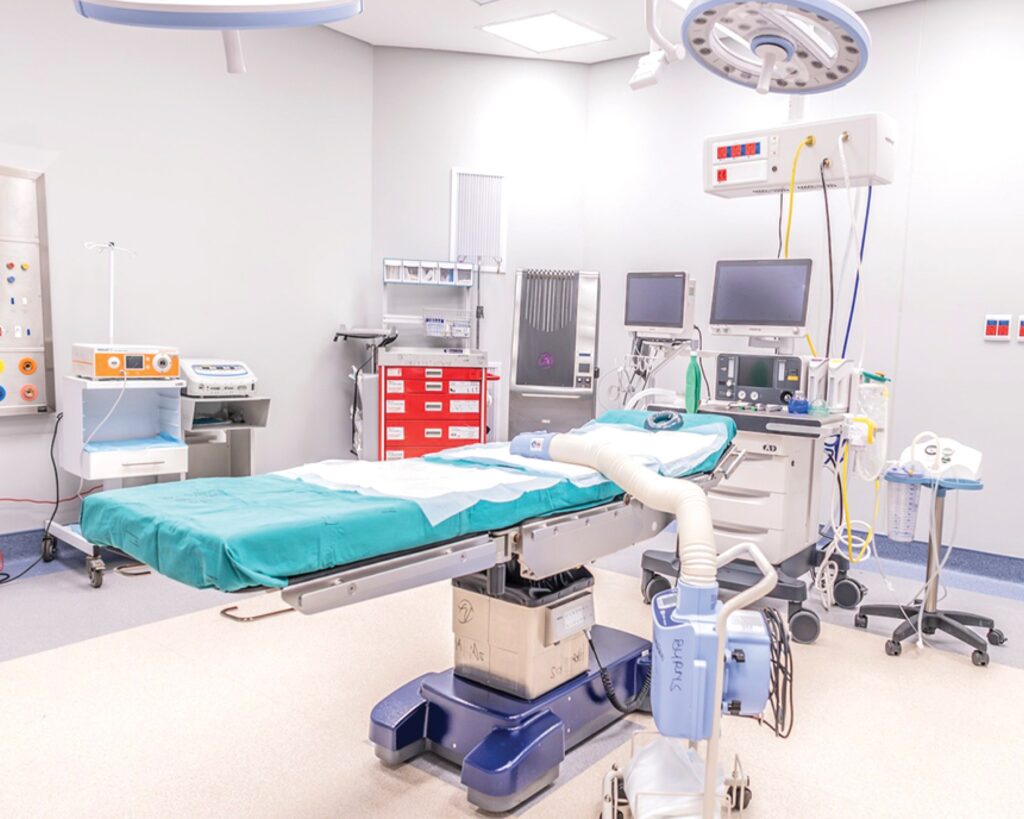
The Burns Unit provides 12 additional ICU beds, a specialized operating theatre, outpatient and rehabilitation areas, along with a research facility — all in a streamlined, efficient design. Beyond a mere technical feat, the project represents dignity, resilience, and engineering excellence, devised to protect lives and benefit future generations.
The Burns Unit Extension
The expansion was funded by the Roy McAlpine Foundation with additional support from the University of the Witwatersrand, the Gauteng Department of Health, and the hospital. The facility is now named the Wits Roy McAlpine Burns Unit and was inaugurated in August 2024.
To serve as the only public-sector adult burns center in Gauteng—and a referral hub for the region—the design needed to:
- Add 12 specialist ICU beds with advanced life-support systems.
- Include a dedicated burns operating theatre to reduce surgical delays.
- Add a recovery room, a new outpatient facility, and rehabilitation areas for physio, occupational, and speech therapy.
- Feature a research and training wing with offices, education space, and a skin substitute lab tissue engineering suite intended to support a future Indigenous skin bank.
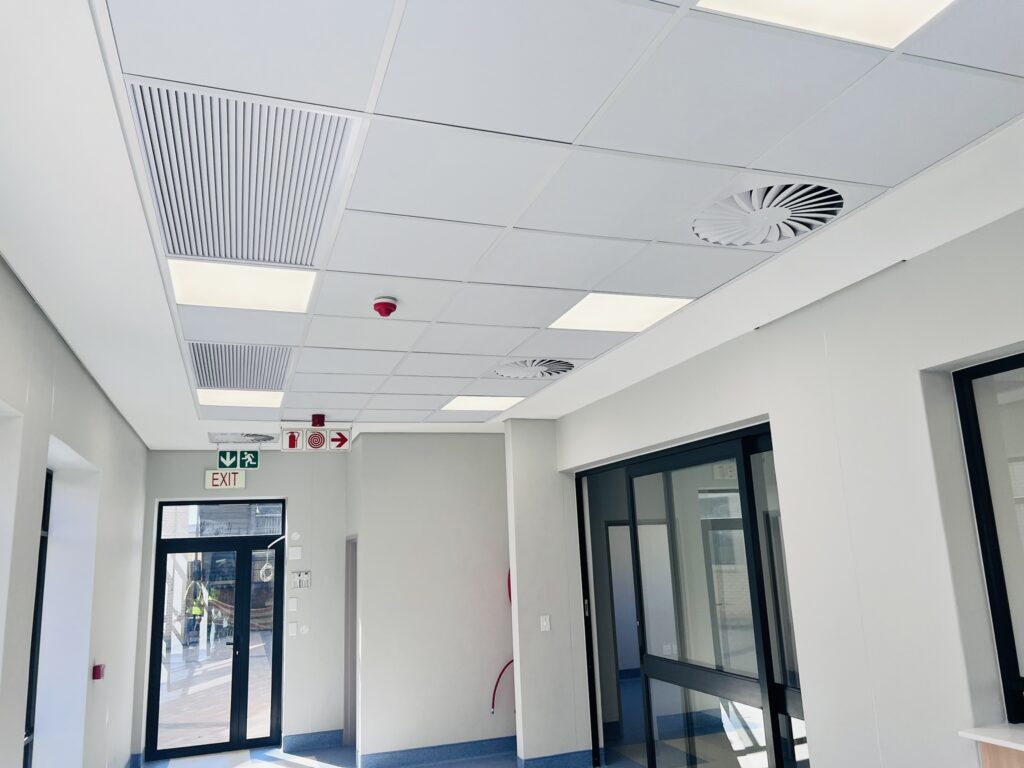
The architectural design showcases a high level of complexity and sophistication by integrating operational efficiency, infection risk management, and solutions to site constraints. The facility is thoughtfully divided into distinct zones, each with a rationalized purpose to streamline workflows and enhance service delivery. Infection risks are meticulously managed through practical social distancing measures, strict hygienic protocols, and a clear separation of public and private areas, creating a safe environment for both patients and staff.
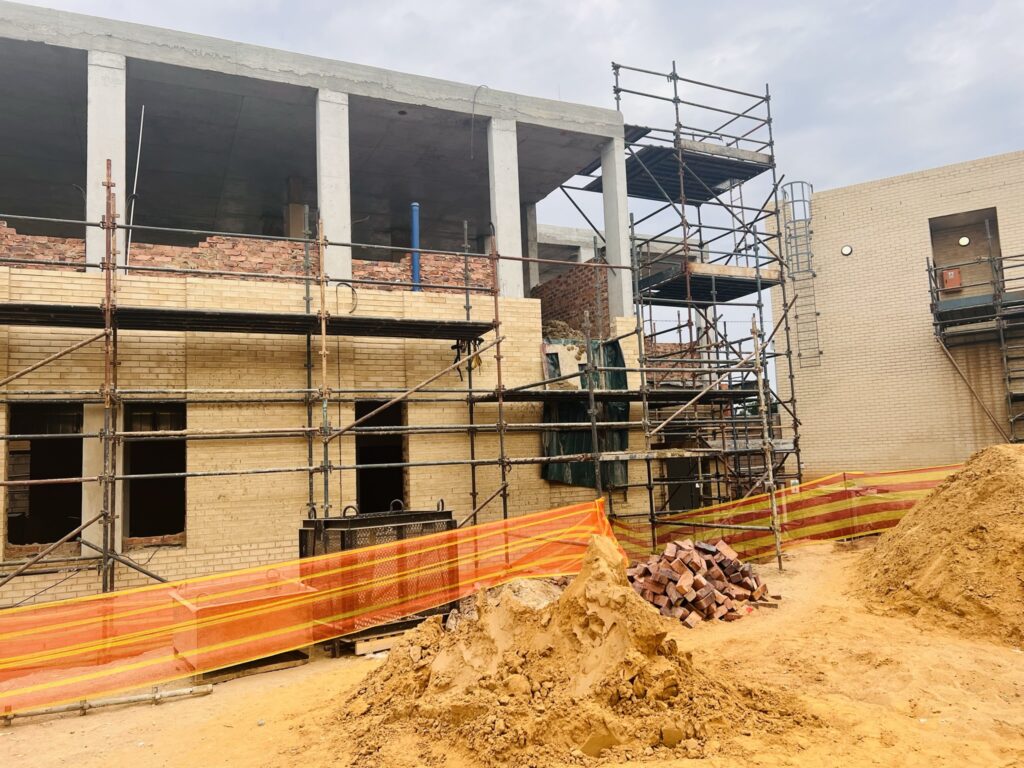
Additionally, the design cleverly addresses spatial limitations by expanding ward rooms and office facilities within a confined footprint, reflecting advanced planning and innovative spatial optimization. Designing within an active, space-limited hospital environment required strategic integration of old and new infrastructure. We managed HVAC, medical gas, and water systems alongside lift mechanisms and emergency backup infrastructure, all while maintaining critical hospital operations. This complex, multidisciplinary approach ensured seamless functionality without service disruption.
Quality of Design
The design emphasizes a holistic, high-performance healthcare environment that integrates patient care, operational efficiency, infection control, and long-term adaptability. It is tailored to regional needs, particularly in sub-Saharan Africa, with expanded ICU capacity and outpatient services to address healthcare gaps.
Architecturally, the facility features a modular layout with distinct zones (ICU, theatre, outpatient, rehab, labs) to improve workflow and reduce infection risk. It is flexible for future growth, supports training and research, and prioritizes patient- and family-centred care, especially for long-term recovery.
Engineering systems (HVAC, medical gas, water, lifts) are highly coordinated, reliable, and compliant with global healthcare standards, ensuring precision in critical areas like ICU and theatre spaces. Innovative solutions—such as integrating existing boiler systems and using energy-efficient EC fans—enhance performance while reducing costs.
The design also promotes a healing environment, incorporating natural light, ventilation, and green courtyards to improve recovery, mental well-being, and comfort for patients, families, and staff.
Overall, the facility delivers operational excellence, scalability, and a strong sense of place, combining technical sophistication with a restorative, community-connected healthcare setting.